Add your promotional text...

Ksharsutra Treatment for Fistula-in-Ano: The Gold Standard Therapy
Fistula-in-ano is a chronic and distressing condition that significantly affects a patient’s quality of life. Characterized by pain, discharge, recurrent infection, and discomfort, fistula often demands effective and definitive management. Among all available treatment options, Ksharsutra therapy is widely recognized as the gold standard treatment for fistula-in-ano, offering more than 95% success rate with minimal complications.
Dr. Arun Singh
1/1/20269 min read
Understanding Fistula-in-Ano
Fistula-in-ano is defined as an abnormal connection between the anal canal and the skin surrounding the anus. This medical condition typically arises as a complication of an abscess in the anal region, where the pus from the abscess finds a pathway to expel itself outside the body, resulting in a fistulous tract. Various factors contribute to the development of a fistula-in-ano, including infections, inflammatory bowel disease, tuberculosis, or following surgical procedures involving the anorectal area.
Fistulas can be classified into several types. The most common are intersphincteric, transsphincteric, suprasphincteric, and extrasphincteric fistulas, each differing in anatomical location and the extent of tissue involvement. Understanding the type of fistula is crucial for determining an appropriate treatment plan.
Patients suffering from fistula-in-ano often present with a series of symptoms, notably persistent pain, discharge of pus or blood, and discomfort during defecation. The discharge may have an offensive odor, contributing to social embarrassment and significant psychological distress. Chronic cases may lead to complications such as cellulitis and the formation of additional fistulas, which can negatively impact the patient's overall quality of life.
The importance of accurate diagnosis cannot be overstated, as distinguishing a fistula-in-ano from other anal diseases, such as hemorrhoids or anal fissures, is vital for effective treatment. Diagnostic approaches may include physical examinations, imaging studies, and endoscopic evaluations to ascertain the presence and complexity of the fistulous tract. Early detection and appropriate intervention are key to preventing complications and achieving successful outcomes in patients suffering from this affliction.
Traditional Treatment Options
The management of fistula-in-ano often begins with traditional treatment options, primarily surgical interventions, which can vary in approach and effectiveness. Among the most common procedures are fistulotomy and seton placement, both well-established methods in the realm of colorectal surgery. Each option comes with its distinct pros and cons, which are important to consider when evaluating treatment.
Fistulotomy involves the surgical incision of the fistula, allowing for direct access and cleaning of the tract. This method is typically successful with a high rate of closure and minimal recurrence, making it a favored choice among surgeons. However, fistulotomy does have a risk of complications, such as incontinence, especially if the fistula is located in proximity to the anal sphincter. Recovery time can range from a few weeks to several months, depending on the severity and complexity of the case.
On the other hand, seton placement is often utilized for more complicated or high fistulas. This involves placing a piece of thread or a surgical strip through the fistula to maintain drainage while promoting healing. While this technique is less invasive, it can require longer treatment durations, sometimes taking several months for the fistula to close completely. Additionally, patients may experience persistent drainage and discomfort during the healing process.
Both treatment options present valid paths toward recovery, yet they also come with notable drawbacks. The choice of procedure often hinges on the fistula's characteristics and the patient's overall health. In this context, understanding how Ksharsutra fits into the treatment landscape becomes essential, especially considering its potential benefits in terms of healing and reduced complications compared to traditional surgical methods.
What is Ksharsutra Therapy?
Ksharsutra therapy is a traditional Ayurvedic treatment method that has gained recognition for its effectiveness in managing complex conditions such as fistula-in-ano. Rooted in ancient Indian medical practices, Ksharsutra uses a specially prepared surgical thread, infused with herbal medicines, to promote healing while minimizing recovery time and complications often associated with conventional surgical methods.
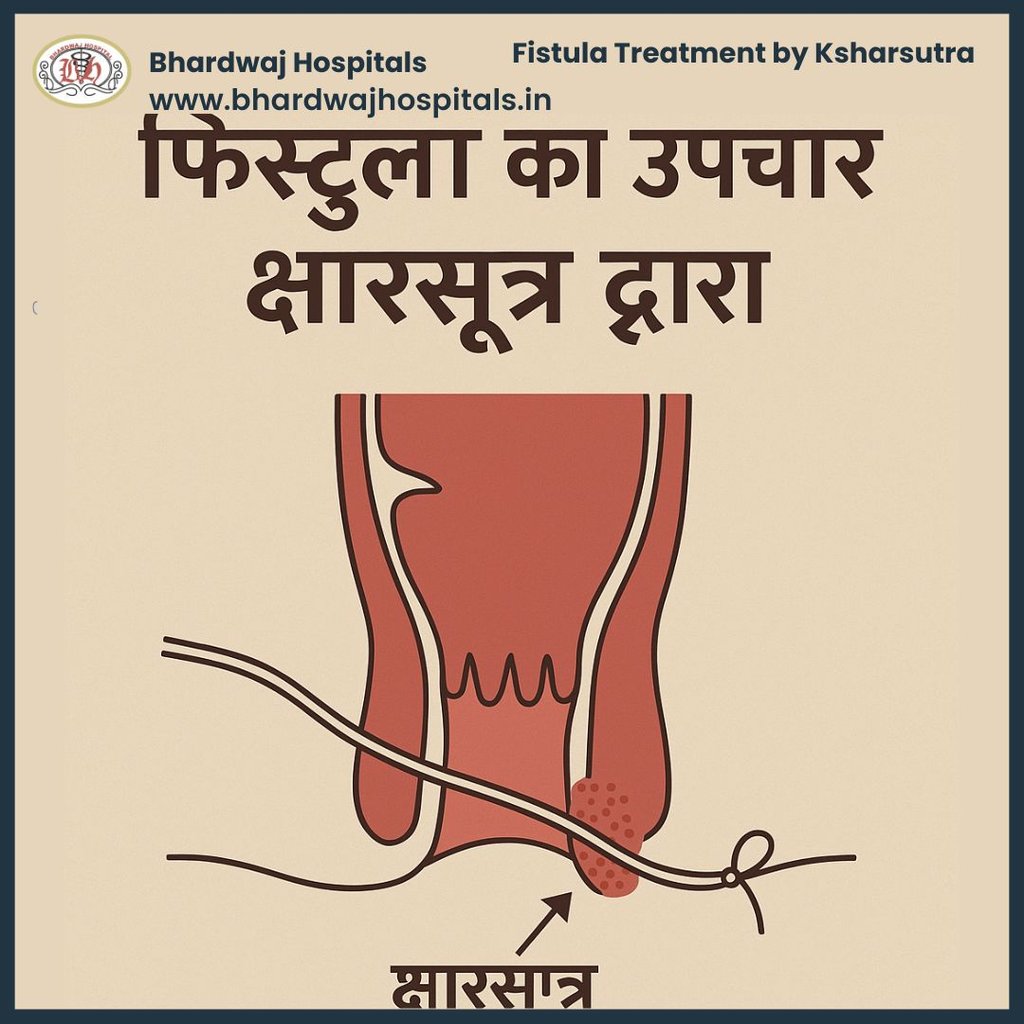
The Ksharsutra procedure involves several steps. Initially, the affected area is examined, and the physician prepares the Ksharsutra thread. This surgical thread is typically made from cotton and is treated with a combination of alkaline herbs that have antiseptic, anti-inflammatory, and healing properties. Once the thread is prepared, it is inserted into the fistula tract by a qualified practitioner. The alkaline properties of the Ksharsutra help to gradually cleanse the infected area and facilitate tissue regeneration.
One of the primary advantages of Ksharsutra therapy is its minimally invasive nature. Unlike traditional surgeries that require incisions and a longer recovery period, Ksharsutra therapy usually involves a simple outpatient procedure with minimal pain. This method significantly reduces the risk of complications, such as post-operative infections or excessive bleeding. Patients often report favorable outcomes, experiencing diminished symptoms and improved quality of life following treatment.
Moreover, the herbal components utilized in Ksharsutra therapy not only aid in the healing process but also maintain patient comfort. By employing a holistic approach, Ksharsutra therapy not only focuses on addressing the fistula itself but also supports overall health and wellness, aligning with the foundational principles of Ayurvedic medicine.
Success Rates and Efficacy of Ksharsutra Therapy
Ksharsutra therapy has emerged as an effective treatment option for fistula-in-ano, with studies indicating a remarkable success rate of over 95%. This non-invasive procedure utilizes a specially prepared thread imbued with medicinal herbs to cut through the fistula while promoting healing. Clinical trials have continuously validated its efficacy, demonstrating not only successful fistula closure but also a significant reduction in postoperative complications when compared to traditional surgical methods.
The success of Ksharsutra therapy can be attributed to various factors integral to its operation. Firstly, the ksharsutra thread, applied to the fistula tract, works to gradually obliterate the fibrous tissue and promote granulation. This slow and controlled cutting mechanism allows for a well-managed healing process, reducing the likelihood of wound complications often associated with more invasive surgical procedures.
Furthermore, the medicinal properties of the ksharsutra ingredients enhance the body’s healing capabilities. These natural components can aid in reducing inflammation and fighting infection, which are critical in recovering from fistula-in-ano. Studies show that patients who undergo Ksharsutra therapy often experience improved quality of life, with fewer instances of recurrence.
Patient testimonials offer a personal insight into the therapy's success. Many individuals report significant relief from pain and discomfort traditionally associated with fistulas after treatment. Their accounts emphasize the therapy's effectiveness, particularly its non-invasive nature and minimal downtime, allowing them to resume daily activities shortly after the procedure.
Overall, the combination of high success rates, low complication risk, and positive patient feedback solidifies Ksharsutra therapy's position as a leading standard of care for fistula-in-ano, offering patients hope for a definitive resolution of their condition.
Potential Complications and Risks
Ksharsutra therapy is increasingly recognized as an effective treatment for fistula-in-ano, yet, like all medical procedures, it is not devoid of potential complications and risks. It is essential for patients to be well-informed about these aspects to foster realistic expectations during the treatment course. The complications associated with ksharsutra therapy primarily include pain, bleeding, infection, and delayed healing, though these incidents vary widely among patients.
Compared to traditional surgical options, such as fistulotomy or fistulectomy, ksharsutra therapy may present a lower risk of post-operative complications. Traditional surgeries frequently result in more severe pain and longer recovery times, while ksharsutra therapy aims to minimize trauma to surrounding tissues. However, some patients may experience discomfort during the application of the ksharsutra thread, which could temporarily exacerbate their symptoms.
Follow-up care is paramount in managing any potential adverse effects associated with ksharsutra treatment. Adequate post-operative monitoring can help in identifying complications early on. Patients are encouraged to maintain regular appointments with their healthcare provider, allowing for timely intervention if issues such as excessive bleeding or abscess formation arise. Moreover, it is crucial for patients to adhere to the aftercare instructions provided by their practitioners, as this significantly contributes to the effectiveness of the treatment and minimizes the likelihood of complications.
In conclusion, while ksharsutra therapy is associated with certain risks, they are comparable to or lower than those of conventional treatments for fistula-in-ano. A comprehensive understanding of these potential complications and the importance of diligent follow-up care can greatly enhance the treatment experience, ultimately leading to better outcomes for patients.
Post-Procedure Care and Recovery
Following ksharsutra treatment for fistula-in-ano, proper post-procedure care is essential to promote healing and minimize the risk of complications. Patients are advised to maintain a clean and dry environment around the treated area. Gentle cleansing with lukewarm water and mild antiseptic solutions can help in preventing infections. It is crucial to change the dressing regularly, as recommended by the healthcare provider, to expedite the healing process and ensure optimal recovery.
Dietary considerations also play a pivotal role in recovery. A high-fiber diet is encouraged to prevent constipation, which can strain the surgical area during bowel movements. Foods rich in fiber, such as fruits, vegetables, whole grains, and legumes, should be included. Additionally, staying hydrated by drinking plenty of water can aid in maintaining soft stools and reducing discomfort.
Lifestyle adjustments may further enhance recovery. Patients are advised to avoid excessive straining during bowel movements and not to engage in heavy lifting or strenuous activities for a few weeks following the procedure. Practicing good toilet habits, such as not delaying bowel movements, can also facilitate faster healing.
The expected timeline for recovery varies among individuals but generally spans from a few weeks to several months, depending on the severity of the fistula and adherence to post-procedure care. Common signs that necessitate medical attention include increased pain, signs of infection such as redness, swelling, or discharge, and constipation or difficulty in bowel movements. By remaining vigilant about one’s recovery and seeking timely medical advice when necessary, patients can achieve optimal healing outcomes.
Why Ksharsutra is the Gold Standard for Fistula Treatment
✅ High Success Rate
Ksharsutra therapy has a success rate exceeding 95%, even in complex and recurrent fistula cases.
✅ Simultaneous Cutting and Healing
Unlike conventional surgery, Ksharsutra works on the principle of gradual tract cutting and simultaneous healing. As the thread slowly cuts through the fistulous tract, healthy tissue forms behind it, ensuring complete healing.
✅ Ambulatory Treatment
Patients remain fully ambulatory during the treatment. Hospital admission is usually not required, and patients can continue daily activities with minimal discomfort.
✅ No Big Open Wound
Ksharsutra treatment is devoid of big surgical wounds, which significantly reduces pain, infection risk, and healing time.
✅ Minimal Recurrence
Since the tract is cured gradually and completely from inside out, the chance of recurrence is extremely low compared to other surgical procedures.
✅ Continuous Drainage
The fistulous tract remains patent throughout the treatment, allowing continuous drainage and preventing abscess formation.
Conclusion: Embracing Ksharsutra as the Gold Standard
In the realm of traditional and modern medical treatments, ksharsutra therapy stands out as a highly effective option for patients suffering from fistula-in-ano. This ancient Ayurvedic procedure has demonstrated a remarkable success rate, effectively treating complex cases while maintaining a low incidence of complications. The unique method employs a medicated thread, which is introduced into the fistula tract, facilitating healing through its action alongside the body's natural healing processes.
One of the primary advantages of ksharsutra is its minimally invasive nature, which significantly reduces the time and discomfort associated with surgical interventions. As patients seek treatments that promote rapid recovery, ksharsutra emerges as a favorable alternative, allowing individuals to return to their daily lives sooner. By avoiding the need for extensive surgical procedures, this therapy not only lessens the physical burden on the patient but also minimizes psychological stress commonly associated with surgical options.
Moreover, the overall positive patient outcomes associated with ksharsutra make it an attractive choice. With carefully measured application and post-treatment care, many individuals experience significant relief from symptoms and a high rate of cure. Therefore, patients who are currently facing the challenges of fistula-in-ano should consider this treatment option seriously. It is imperative to consult with qualified healthcare professionals who can provide personalized assessments and guidance specific to individual conditions.
Embracing ksharsutra as the gold standard therapy can profoundly impact the treatment journey for many. For those seeking effective and reliable treatment for fistula-in-ano, this therapy presents a valuable path towards recovery and improved quality of life.
Ksharsutra treatment is a safe, effective, and time-tested solution for fistula-in-ano. With its high success rate, minimal recurrence, ambulatory nature, and preservation of healthy tissue, it remains the treatment of choice for fistula management.
If you or your loved one is suffering from fistula-in-ano, early consultation with an experienced Ksharsutra specialist can ensure complete and permanent relief.
Frequently asked questions
What is fistula-in-ano? | फिस्टुला-इन-एनो क्या है?
Fistula-in-ano is an abnormal tunnel-like tract that forms between the anal canal and the skin around the anus. It commonly causes pain, swelling, recurrent pus or watery discharge, and repeated infections.
फिस्टुला-इन-एनो गुदा मार्ग और उसके आसपास की त्वचा के बीच बनने वाली एक असामान्य सुरंग (नली) होती है। इसमें दर्द, सूजन, बार-बार मवाद या पानी का स्राव तथा बार-बार इंफेक्शन होता है।
What is Ksharsutra treatment? | क्षारसूत्र उपचार क्या है?
Ksharsutra treatment is a para-surgical Ayurvedic technique in which a specially prepared medicated thread is used to treat fistula-in-ano. This therapy is described in the ancient Ayurvedic text Sushruta Samhita.
क्षारसूत्र उपचार एक आयुर्वेदिक पैरासर्जिकल विधि है, जिसमें विशेष औषधियों से लेपित धागे का उपयोग फिस्टुला के इलाज में किया जाता है। इसका वर्णन प्राचीन ग्रंथ सुश्रुत संहिता में मिलता है।
Why is Ksharsutra considered the gold standard treatment? | क्षारसूत्र को गोल्ड स्टैंडर्ड क्यों माना जाता है?
Ksharsutra has a success rate of more than 95%. It allows simultaneous cutting and healing of the tract with minimal complications and very low recurrence.
क्षारसूत्र की सफलता दर 95% से अधिक है। इसमें नली धीरे-धीरे कटती भी है और साथ ही भरती भी जाती है, जिससे जटिलताएँ और दोबारा होने की संभावना बहुत कम रहती है।
How does Ksharsutra work? | क्षारसूत्र कैसे काम करता है?
The medicated thread is placed in the fistulous tract. It gradually cuts the tract while healthy tissue forms behind it, leading to complete healing.
औषधीय धागा फिस्टुला की नली में डाला जाता है। यह नली को धीरे-धीरे काटता है और पीछे स्वस्थ ऊतक बनते जाते हैं, जिससे पूर्ण रूप से घाव भर जाता है।
Is hospital admission required? | क्या भर्ती होना जरूरी है?
No. Ksharsutra treatment is usually an ambulatory procedure and patients can go home the same day.
नहीं। यह एक चलित (Ambulatory) उपचार है और मरीज उसी दिन घर जा सकता है।
Is there a big wound? | क्या बड़ा घाव बनता है?
No. There is no big open surgical wound, resulting in less pain and better healing.
नहीं। इसमें कोई बड़ा खुला घाव नहीं बनता, इसलिए दर्द कम होता है और घाव जल्दी भरता है।
How often is the thread changed? | धागा कितने दिन में बदला जाता है?
The Ksharsutra is changed every 7 to 15 days depending on the condition of the tract.
नली की स्थिति के अनुसार क्षारसूत्र को हर 7 से 15 दिन में बदला जाता है।
Will discharge continue during treatment? | क्या इलाज के दौरान स्राव होता रहेगा?
Yes. The tract remains open during treatment, allowing continuous drainage and preventing abscess formation.
हाँ। इलाज के दौरान नली खुली रहती है, जिससे मवाद बाहर निकलता रहता है और फोड़ा बनने से बचाव होता है।
How long does healing take? | पूरी तरह ठीक होने में कितना समय लगता है?
Healing time depends on the length and complexity of the fistula and usually takes a few weeks.
इलाज की अवधि नली की लंबाई और जटिलता पर निर्भर करती है, आमतौर पर कुछ सप्ताह लगते हैं।
Is recurrence common? | क्या बीमारी दोबारा होती है?
Recurrence is very rare with Ksharsutra treatment.
क्षारसूत्र उपचार के बाद दोबारा फिस्टुला होने की संभावना बहुत कम होती है।
Is Ksharsutra safe? | क्या क्षारसूत्र सुरक्षित है?
Yes. When performed by an experienced practitioner, it is a safe and effective treatment.
हाँ। अनुभवी चिकित्सक द्वारा किया गया क्षारसूत्र उपचार सुरक्षित और प्रभावी है।
When should I consult a doctor? | डॉक्टर से कब संपर्क करें?
If you have pain, swelling, repeated discharge, or recurrent abscess, consult a specialist early.
यदि दर्द, सूजन, बार-बार स्राव या फोड़ा बन रहा हो, तो तुरंत विशेषज्ञ से संपर्क करें।